Modular S-Pen Grip Sleeve
Iterative Mechanical Design & FDM Prototyping
A modular, 3D-printed grip sleeve designed to improve S-Pen ergonomics through constraint-driven mechanical design, threaded interfaces, and real-world durability testing.
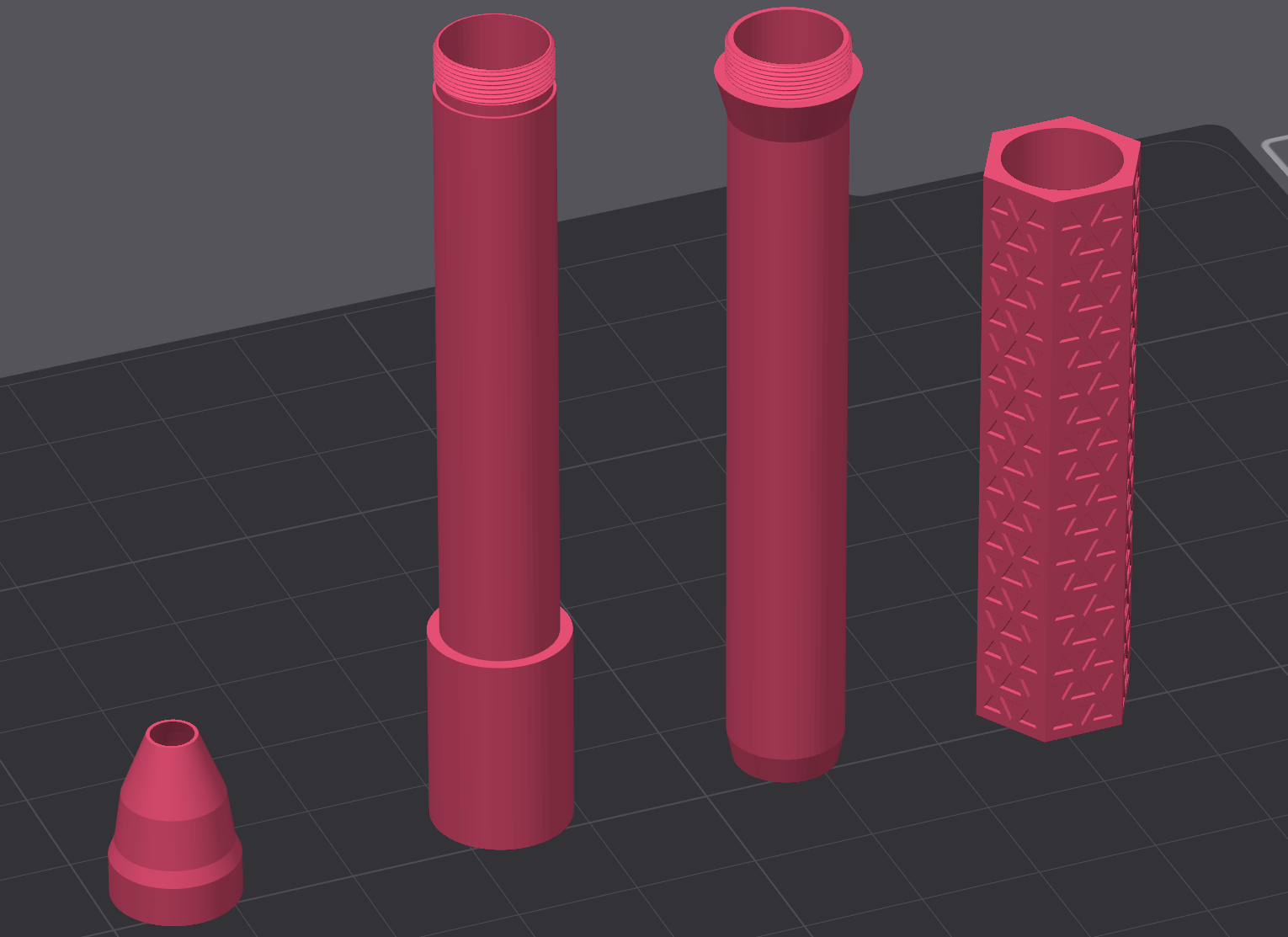
Quick Facts
Problem Statement
The Problem
Modern styli like the Samsung S-Pen prioritize precision and compactness, but their slim form factor can cause discomfort and grip fatigue during extended writing. Existing third-party grips—often silicone—stretch, deform, or lack consistent retention.
Goal
Design a non-destructive, modular grip sleeve that improves ergonomics without sacrificing precision or manufacturability.
Design Constraints
Key Constraints
These constraints frame every other design decision that follows.
Concept Evolution
Early Two-Piece Design
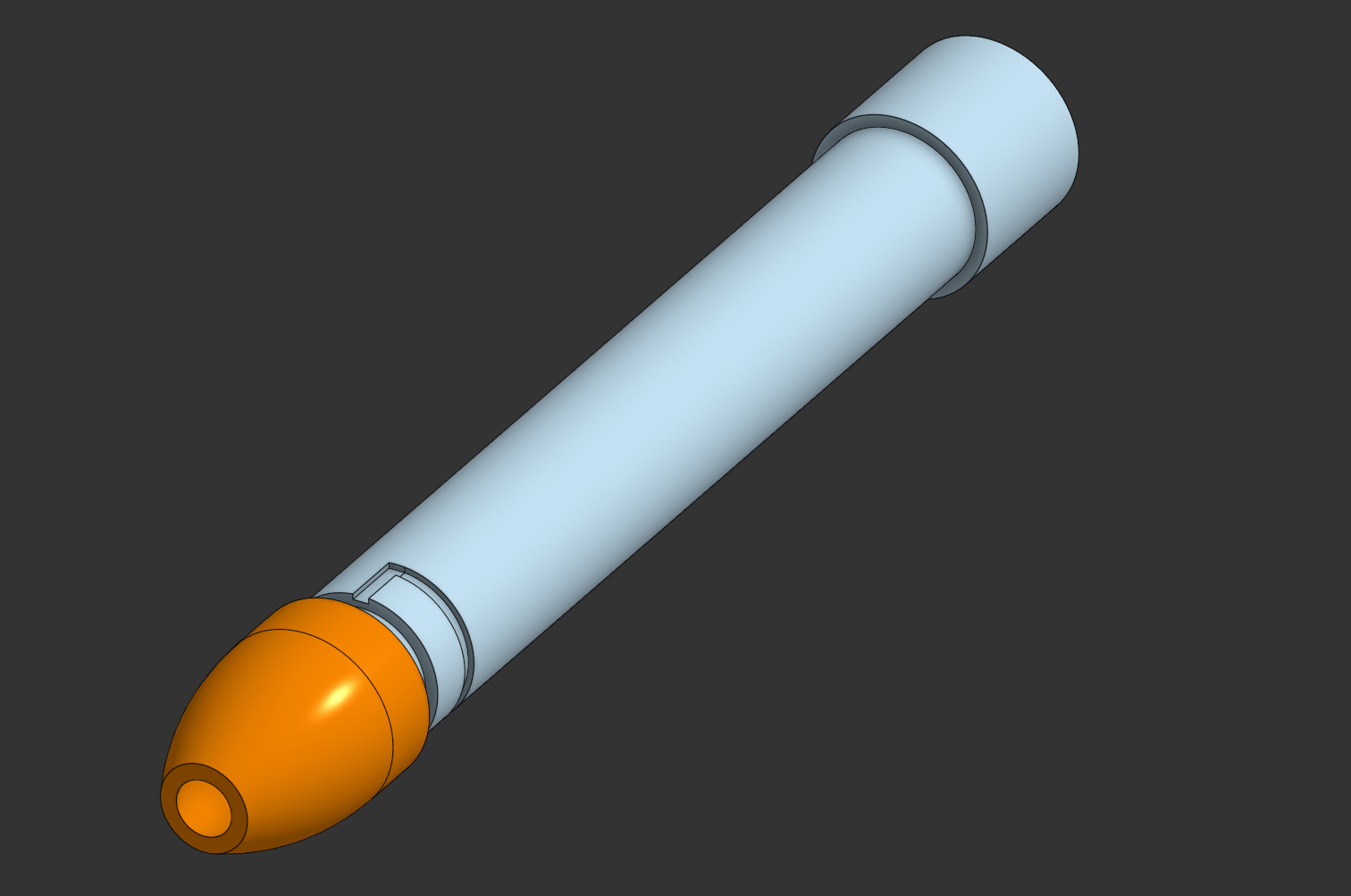
Early partial-coverage design used to isolate attachment mechanisms.
Slide-Lock vs Threaded
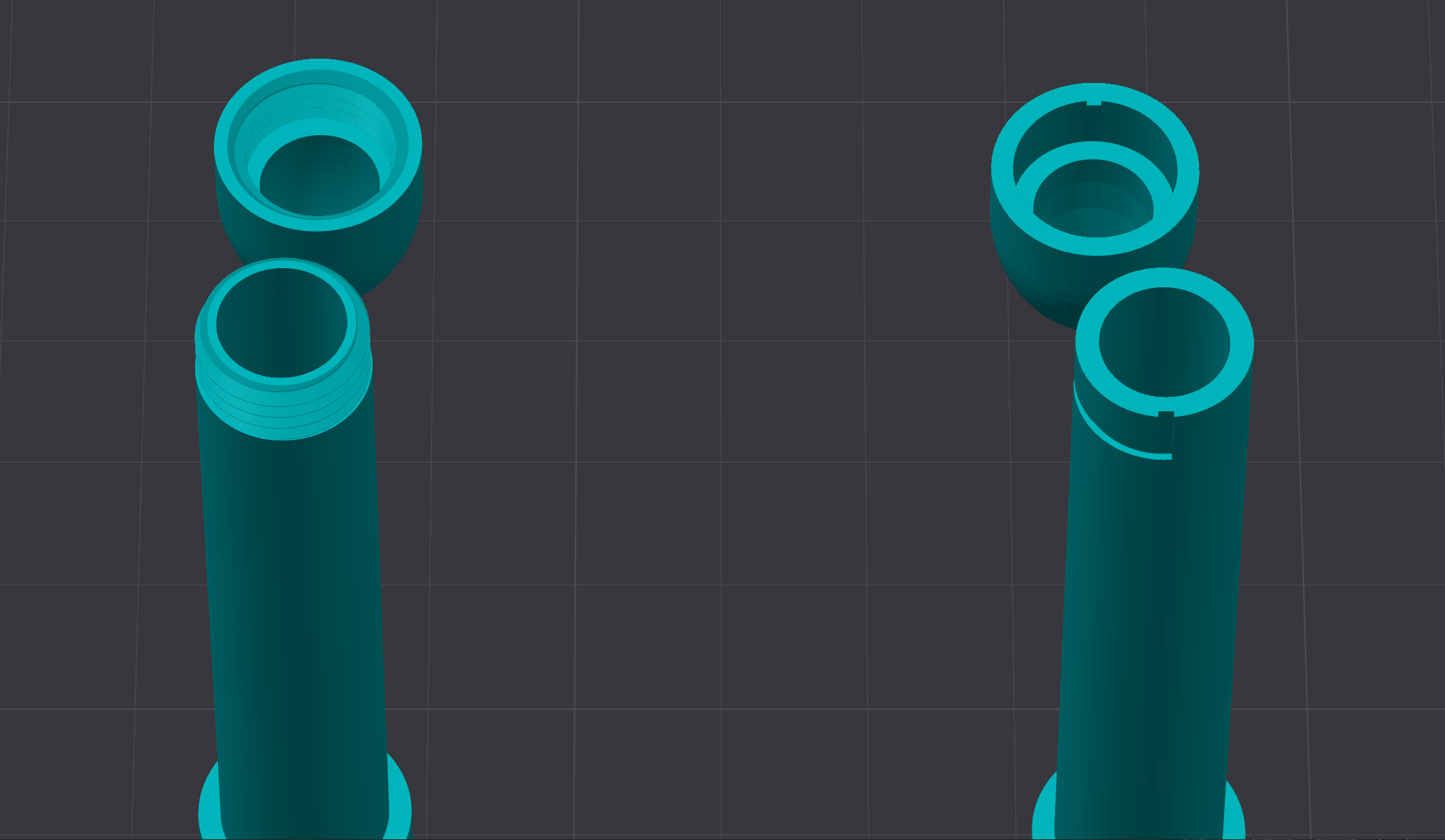
Slide-lock concepts failed at FDM scale, prompting transition to threaded interfaces.
Threaded Modular System
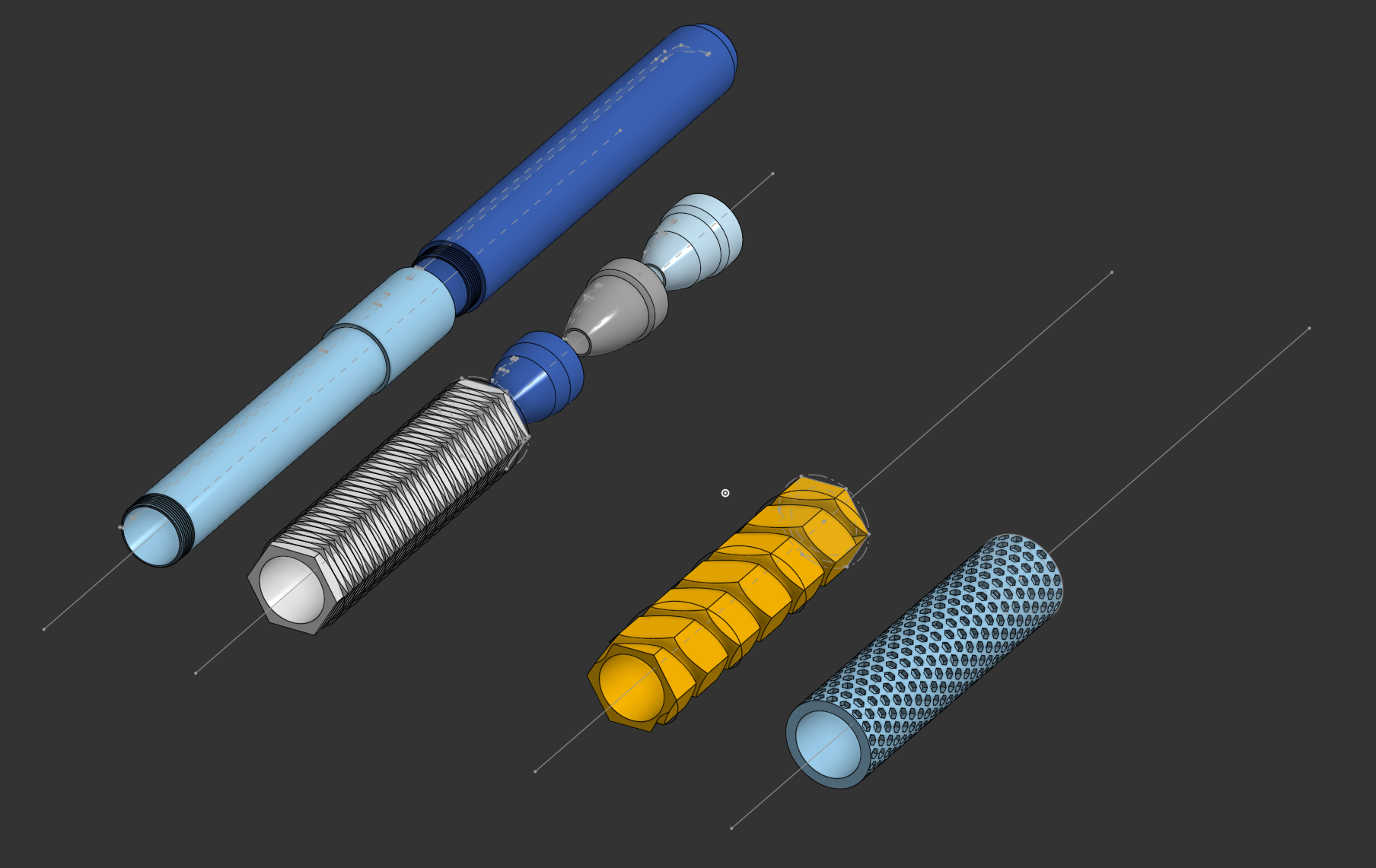
Threaded attachment enabled reliable retention and modular iteration.
Engineering Decisions
Key Engineering Decisions
Threaded Interfaces
0.2 mm Nozzle Adoption
Modular Architecture
Ergonomic Exploration
Grip Geometry Variants
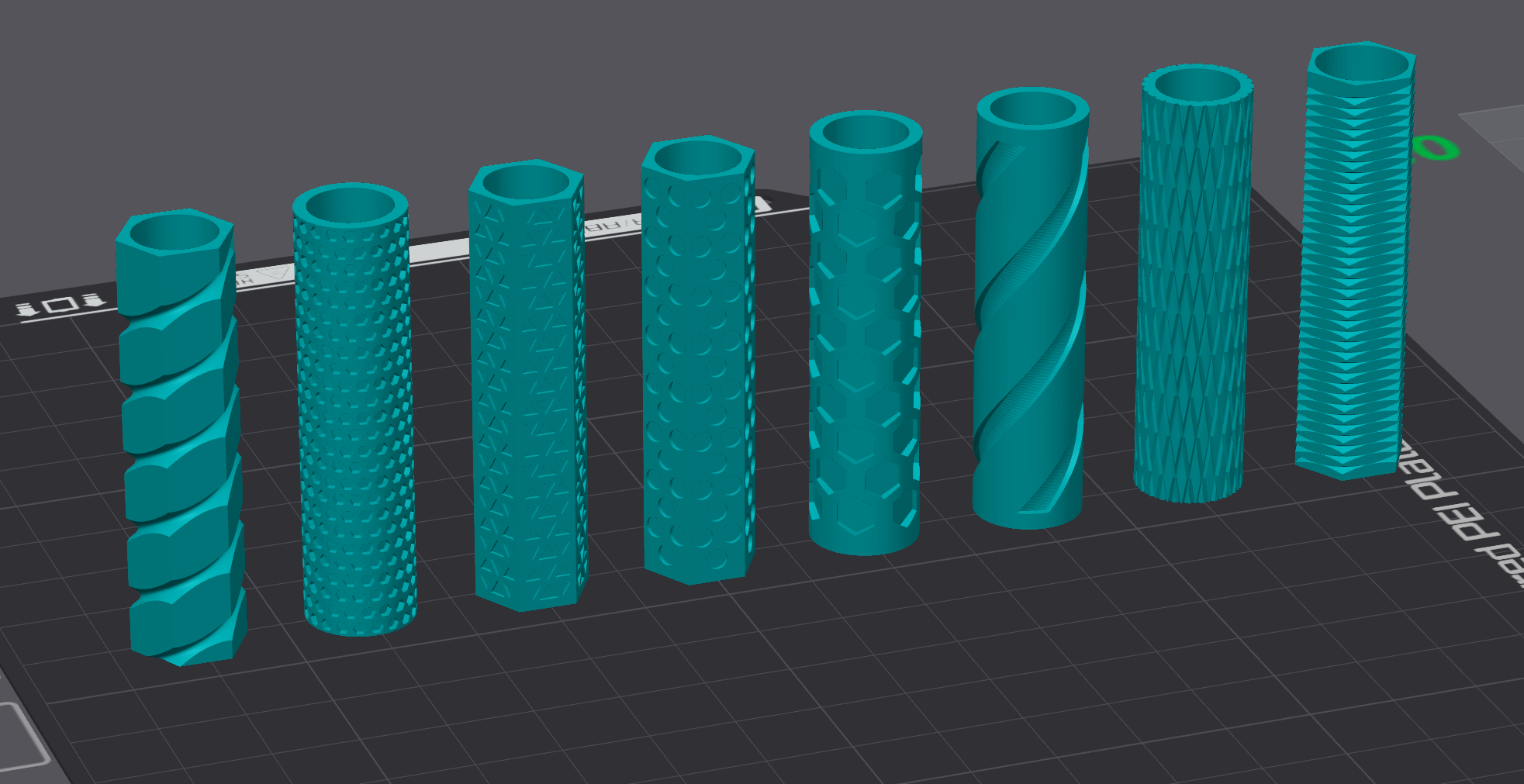
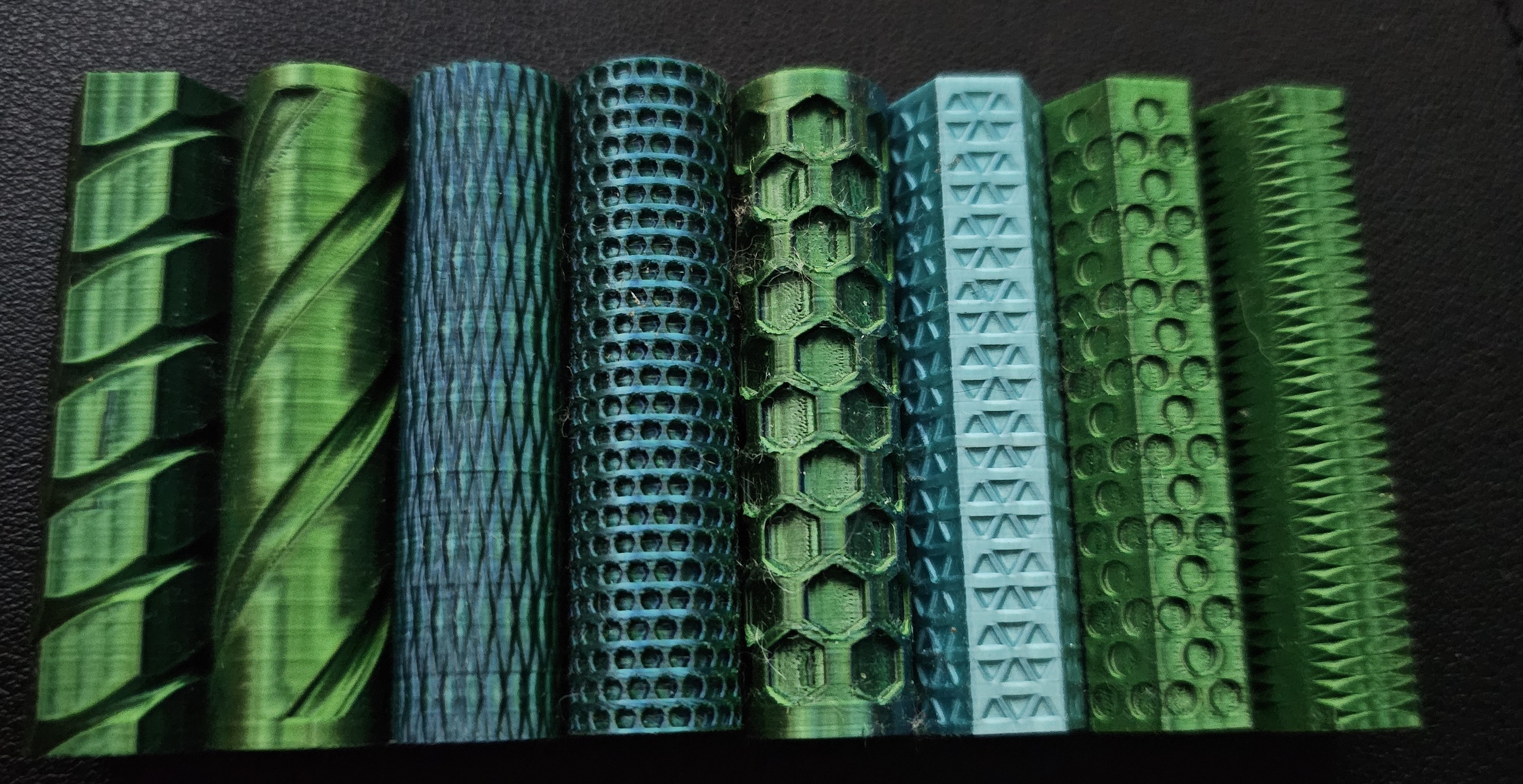
Faceted, knurled, and smooth profiles were evaluated to explore tactile feedback, rotational stability, and subjective comfort.
Failure & Iteration
Durability-Driven Iteration
Failure Example
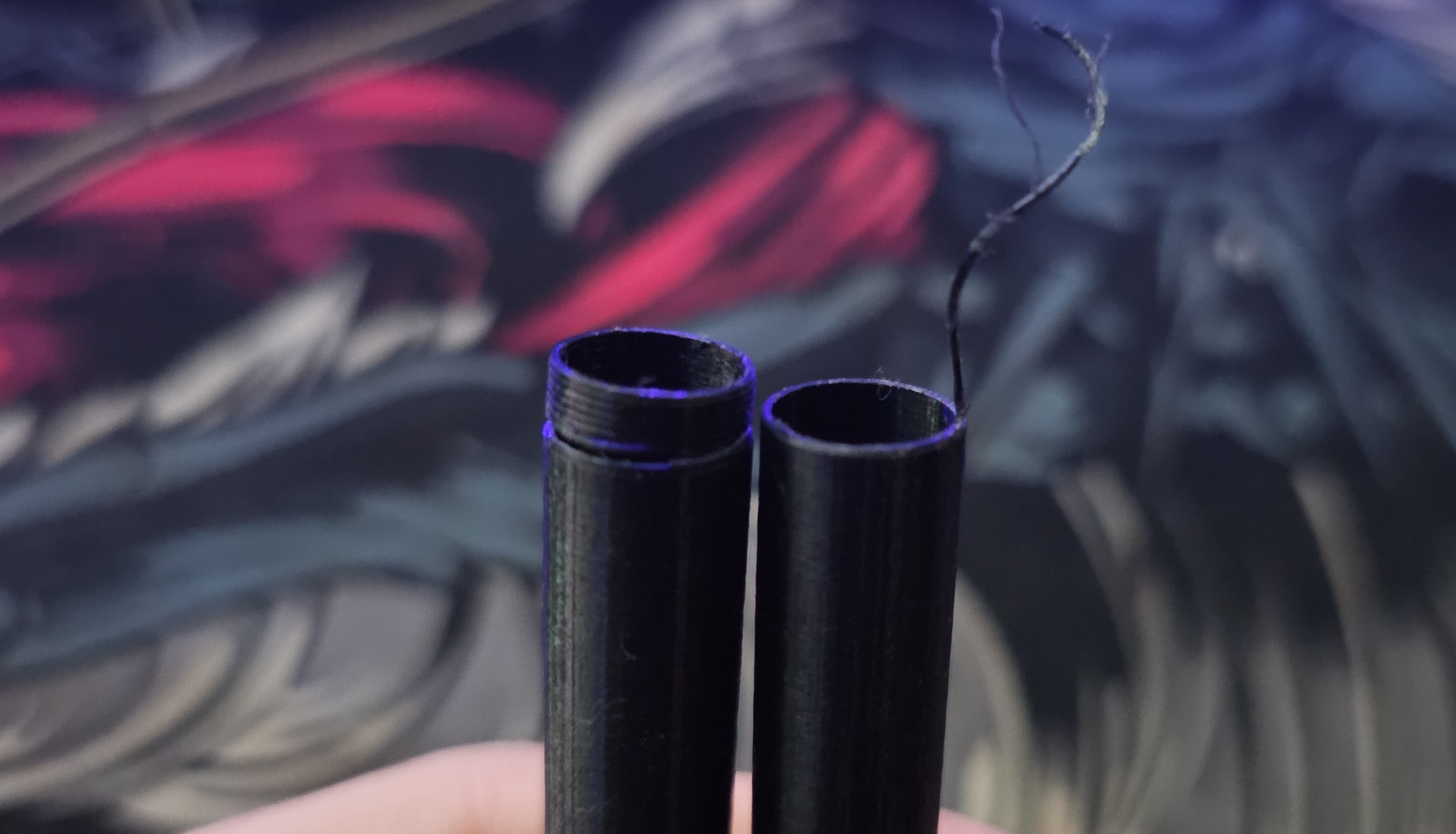
Early failures at threaded interfaces revealed stress concentration and insufficient wall thickness.
Fix Example
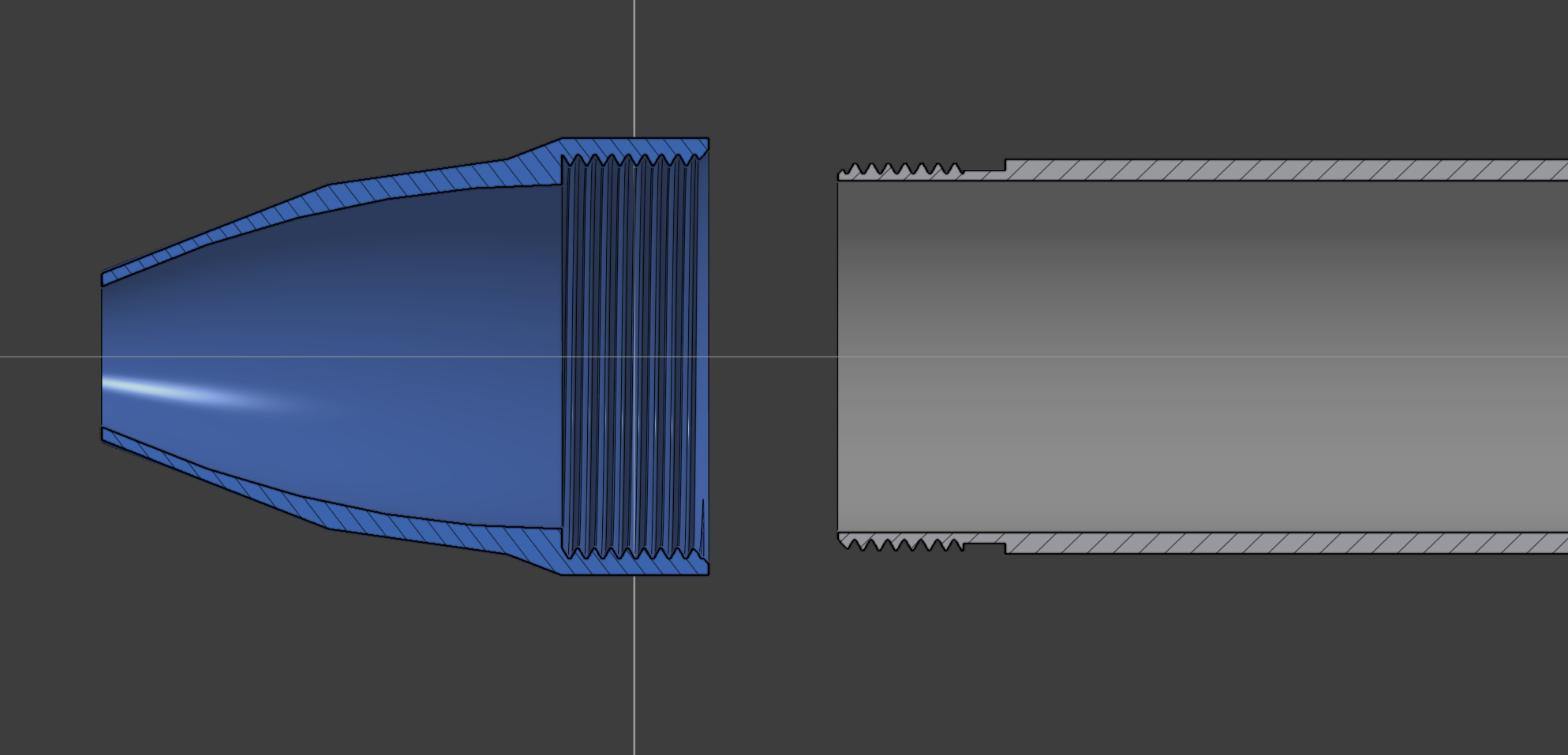
Thread relief and increased engagement redistributed stress and improved durability.
Key Takeaway:
Durability emerged as a dominant constraint only after extended real-world use.
Results & Tradeoffs
Outcomes
Known Tradeoffs
What This Project Demonstrates
Skills Demonstrated
Optional Extras
This model is split into two MakerWorld uploads due to different print process requirements. Body components prioritize dimensional accuracy and thread strength, while grip modules prioritize surface finish and ergonomics.